
What Virginia Drivers Should Know About Intersection Crashes

By Billy Breit
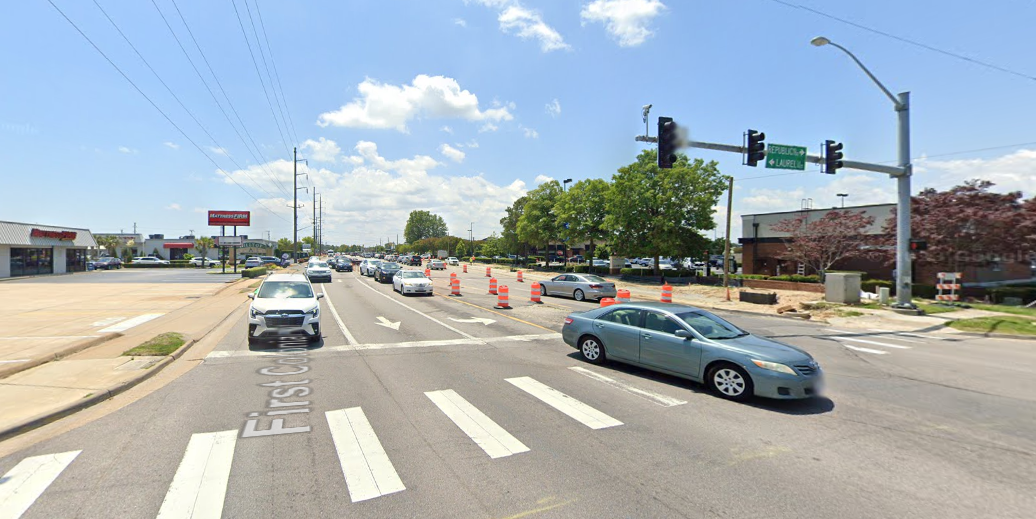
Intersections bring vehicles, pedestrians, and cyclists traveling in different directions into the same area, creating opportunities for serious collisions when right-of-way rules are not followed. From busy commercial intersections to residential four-way stops throughout Chesapeake, Norfolk, and Virginia Beach, determining how an intersection crash occurred can require careful review of traffic signals, vehicle movements, witness accounts, and other available evidence.
Why Intersection Crashes Can Be Complicated
Intersections require drivers to respond to traffic signals, signs, turning vehicles, pedestrians, and other road users while determining when they have the right of way. Collisions can occur in many different circumstances, including when vehicles are turning, crossing through an intersection, entering from a side street, or proceeding through a traffic signal.
When an intersection crash occurs, determining what happened may require examining the traffic controls in place, the direction and movement of each vehicle, and what each driver encountered immediately before the collision. These details can become particularly important when the drivers provide conflicting accounts of who had the right of way.
How Virginia Law Determines Fault
Virginia law establishes several right-of-way rules that may become relevant after an intersection crash. Drivers approaching certain stop signs must stop and yield before proceeding, drivers turning left generally must yield to opposing traffic that is close enough to constitute a hazard, and drivers must obey applicable traffic signals. Which rules apply depends on the type of intersection and the circumstances surrounding the collision.
Determining civil liability involves more than identifying which driver initially had the right of way. Investigators may examine the actions of each driver, applicable traffic controls, vehicle speeds, witness statements, video footage, and other available evidence. Virginia law also provides that a driver traveling at an unlawful speed forfeits a right-of-way the driver otherwise would have had.
Virginia’s contributory negligence rule can significantly affect intersection accident claims. If an injured person’s own negligence contributed to causing the collision, it may affect the person’s ability to recover compensation. The specific facts surrounding the crash therefore play an important role in evaluating each person’s legal options.
Evidence That Matters in Intersection Crashes
Several types of evidence may become important when investigating an intersection crash. Depending on the circumstances, available traffic signal information, surveillance or traffic-camera footage, witness statements, photographs, vehicle damage, and physical evidence from the scene may help establish how the collision occurred. In more complex cases, accident reconstruction analysis may also be used to evaluate vehicle movements and other aspects of the crash.
Some evidence may become unavailable over time. Surveillance footage may be overwritten, witnesses can become more difficult to locate, and physical evidence at the scene can change after the roadway is cleared. Preserving available evidence early can therefore be important when evaluating an auto accident claim.
If you or a loved one was injured in an intersection crash anywhere in Virginia Beach, Norfolk, Chesapeake, Hampton, Suffolk, Portsmouth, Newport News, or across Hampton Roads, Breit Law is here to help. With more than 47 years of trial experience, William Breit has fought for seriously injured Virginians when fault is in dispute. Contact us today.
Map of the Hampton Roads region in Virginia, where intersection accident claims may involve questions about right of way, driver conduct, and available crash evidence.

Subscribe
Login
0 Comments
Oldest